Source Authenticator 6 Pin Tsoc 1 Wire Eprom for IoT
Source authenticator 6 pin tsoc 1 wire eprom components for secure device identification, data logging, and access control systems. Compare specifications across 30 available listings to find suitable integrated circuits for your electronic projects; compare the available evidence and request quotations based on your requirements.
Key considerations
Products List
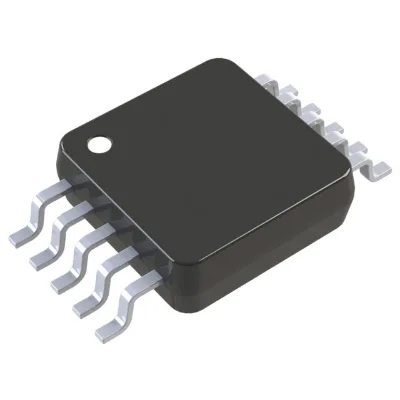




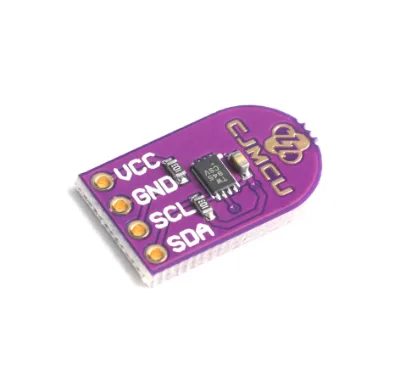


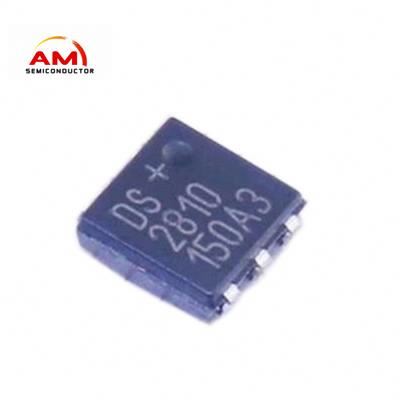




Comprehensive Sourcing Guide
authenticator 6 pin tsoc 1 wire eprom Sourcing Guide
Procurement teams must first distinguish between the specific 1-Wire EEPROM architectures and general SPI-based memory devices often listed under similar search terms. The observed market data reveals a mix of products, including SPI interfaces with 8-TMSOP packages and distinct 1-Wire devices like the DS28E01P-100+T, which utilizes a TSOC-6 package. Buyers should verify that the listed component matches the exact pin count and communication protocol required for their authentication circuit, as confusing a 6-pin TSOC device with an 8-pin TMSOP part can lead to immediate board layout failures.
The supply chain for these components often involves multiple manufacturers, including Maxim, Microchip, and ABLIC, each offering different memory organizations and voltage ranges. While some listings specify a 4Kbit capacity with a 2.5V to 5.5V supply range, others may describe different memory sizes or conductive types such as bipolar or unipolar integrated circuits. It is critical to cross-reference the specific model number against the intended application to ensure the device supports the necessary write cycle times and clock frequencies for reliable data integrity in security-sensitive environments.
Product Scope and Observed Listing Signals
Buyers should scrutinize the packaging details and physical dimensions to confirm the component matches the required footprint for their assembly line. The observed listings include specific single package sizes of 1x1x1 cm and various terminal shapes, such as SMD or dual-hole terminals, which may indicate different mounting requirements. A discrepancy between the requested 6-pin TSOC form factor and a listed 8-TMSOP or SOIC8 package suggests a potential mismatch that requires immediate clarification with the supplier before placing any order.
Market signals also indicate a wide variance in selling units and packaging types, ranging from single items to bulk tape and reel configurations of 4,000 pieces. Some entries describe raw materials like silicon or copper, while others specify complex semiconductor IC technologies like thin film or injection molding processes. Procurement officers must ensure that the "Genuine New Original" status claimed in listings is supported by traceable documentation, as the presence of mixed manufacturing origins and varying production processes can complicate quality assurance efforts.
Technical Specifications to Verify
Verification of the memory interface is the primary technical hurdle, as the core keyword specifies a 1-Wire protocol while many observed listings feature SPI interfaces. Buyers must confirm that the selected device supports the 1-Wire communication standard rather than the 6.5MHz SPI clock frequency found in other available parts. The distinction between these protocols is fundamental, as the physical layer and driver software requirements differ significantly, and using a SPI-based EEPROM in a 1-Wire application will result in total system failure.
Electrical characteristics such as supply voltage and write cycle time must also be validated against the system design constraints. The observed data includes a voltage range of 2.5V to 5.5V and a write cycle time of 4ms for specific models, but other entries may list different conductive types or integration levels like MSI. Ensuring that the device operates within the correct voltage window and can meet the timing requirements for the authentication handshake is essential for maintaining the reliability of the security module during operation.
Compliance and Safety Documentation
Documentation regarding the material composition and manufacturing standards is essential for ensuring regulatory compliance in global markets. Some product descriptions explicitly mention raw materials like silicon and copper, which are standard for semiconductor fabrication, but buyers must request specific material safety data sheets to confirm the absence of restricted substances. The presence of high-temperature resistance characteristics in some listings suggests suitability for harsh environments, yet this claim requires verification against recognized industry standards rather than relying solely on marketing descriptions.
Safety and quality certifications are often implied through terms like "Genuine New Original" or specific manufacturing dates, but these do not replace formal compliance certificates. Procurement teams should demand evidence of RoHS compliance and other relevant environmental directives, as the supply chain for electronic components is subject to strict international regulations. Without explicit documentation confirming adherence to these standards, the risk of non-compliance penalties or supply chain disruptions increases significantly for the end product.
Cost Drivers and Commercial Terms
Pricing for these specialized memory devices is influenced by the specific memory organization, such as the 512 x 8 configuration, and the complexity of the semiconductor technology used. The observed price range spans from $0.07 to $600, reflecting the vast difference between standard commodity parts and specialized authentication chips with unique security features. Buyers must understand that the lower end of this range likely corresponds to basic storage solutions, while the higher prices may reflect devices with enhanced security protocols or lower production volumes.
Commercial terms, including minimum order quantities and lead times, vary widely based on the supplier's inventory status and the specific model number requested. Listings indicate MOQs ranging from 1 to 4,000 units, with packaging options like tape and reel or boxes affecting the logistics cost. Procurement strategies should account for these variables, as ordering small quantities of a specialized part may incur higher per-unit costs, while bulk orders might require longer lead times depending on the manufacturer's production schedule.
Supplier Qualification and Quality Control
Establishing a robust supplier qualification process is critical when sourcing components that are vital for system security and data integrity. The observed listings mention various manufacturers, including ADI, Maxim, and Microchip, but the presence of mixed descriptions and varying package types necessitates a rigorous vetting process. Buyers should verify the supplier's ability to provide traceable lot numbers and date codes, such as the 22+ or 17+ markings seen in some entries, to ensure the components are not obsolete or counterfeit.
Quality control measures must extend beyond the initial purchase to include incoming inspection protocols that verify the physical and electrical characteristics of the received goods. The diversity in product attributes, from bipolar to unipolar integrated circuits, highlights the need for precise testing to confirm that the delivered parts match the technical specifications. Implementing a strict acceptance criteria based on the specific model number and package type will help mitigate the risk of integrating non-conforming components into the final authentication system.
Long-Term Procurement Checks
Sustaining a reliable supply chain for these components requires regular audits of supplier performance and inventory stability over time. The market data shows a mix of production processes and material types, which can lead to variability in long-term availability and consistency. Procurement teams should establish relationships with multiple qualified suppliers to mitigate the risk of single-source dependency, ensuring that the supply of critical authentication chips remains uninterrupted during product lifecycle extensions.
Continuous monitoring of component obsolescence and lifecycle status is essential for maintaining the longevity of the authentication system. As technology evolves, specific models like the DS28E01P-100+T or 24LC16BT-I/SN may reach end-of-life, necessitating proactive planning for design changes or alternative sourcing. Buyers should maintain a dynamic bill of materials that tracks the status of each component, allowing for timely transitions to newer, equivalent parts without compromising the security or functionality of the final product.
FAQs
What is the memory organization of the S-25A040A0A-K8T2UD?
The S-25A040A0A-K8T2UD features a 512 x 8 memory organization, providing 4Kbit of storage capacity. This configuration supports efficient data handling for various electronic applications. The device operates within a 2.5V to 5.5V supply voltage range, ensuring compatibility with standard logic levels. It utilizes an SPI interface for reliable communication, making it suitable for compact designs requiring non-volatile data retention.
Can the S-25A040A0A-K8T2UD be customized for specific projects?
Yes, the S-25A040A0A-K8T2UD offers customization options to meet specific project requirements. This flexibility allows engineers to tailor the component for unique applications. The device is manufactured by ABLIC Inc. and is available in an 8-TMSOP package. Customization ensures that the component integrates seamlessly into diverse electronic systems, providing a reliable solution for specialized data storage needs.
Which manufacturers produce authenticator 6 pin tsoc 1 wire eprom devices?
Manufacturers such as ADI, MAXIM, MICROCHIP, and STMICRO produce related electronic components. While the S-25A040A0A-K8T2UD is by ABLIC Inc., other brands offer similar interface technologies. These companies provide various integrated circuits, including EEPROMs and other memory devices. Buyers can source components from these established manufacturers to find suitable alternatives for their specific electronic design requirements.
What is the packaging type for the S-25A040A0A-K8T2UD?
The S-25A040A0A-K8T2UD is packaged in 4,000 PCS per Tape & Reel. This bulk packaging facilitates efficient automated assembly processes. The individual units are housed in an 8-TMSOP supplier device package. This packaging method ensures protection during transit and storage, while also streamlining the integration of the component into production lines for high-volume manufacturing applications.
How does the SPI interface benefit the S-25A040A0A-K8T2UD?
The SPI interface enables high-speed serial communication for the S-25A040A0A-K8T2UD. Operating at a clock frequency of 6.5MHz, it ensures rapid data transfer. This interface reduces pin count requirements, simplifying circuit board layout. The non-volatile memory retains data without power, making it ideal for applications requiring reliable and efficient data storage with minimal wiring complexity.
What is the write cycle time for the S-25A040A0A-K8T2UD?
The write cycle time for the S-25A040A0A-K8T2UD is 4ms for word or page operations. This duration ensures reliable data writing without excessive delays. The component is designed for efficient performance in various electronic systems. With a 4Kbit capacity, it balances speed and storage needs, making it suitable for applications requiring frequent data updates while maintaining system responsiveness and operational stability.